
Expand Your Home Without Moving
Home Additions in Loveland for growing families, remote work setups, and aging parents who need dedicated living space under one roof
Elevated Carpentry builds home additions in Loveland that increase square footage without forcing you to sell and relocate. You work with a team that evaluates your lot for setback compliance, ties new foundations to existing footings, and matches rooflines so the addition looks intentional rather than tacked on. The work includes structural framing, exterior sheathing and siding that blend with your current facade, and interior finishes that flow seamlessly into existing rooms. If your household has outgrown your home and you need a bedroom, office, sunroom, or in-law suite, this service delivers the space with a foundation that will not settle separately from the main structure.
The process starts with a site survey that documents property lines, utility easements, and setback requirements. Foundation work begins after permit approval, and footings are poured to frost depth to prevent heaving. Framing follows engineered plans that account for roof loads, snow accumulation, and connections to existing walls. Electrical and plumbing rough-ins are inspected before insulation and drywall, and HVAC is extended or supplemented to condition the new space. Exterior finishes match siding profile, color, and trim details so the addition does not stand out as an afterthought.
If you need more room and want to stay in your current home, contact Elevated Carpentry to discuss lot limitations, layout options, and timelines for adding space in Loveland.
Structural Framing and Integration That Prevent Future Problems
You receive engineered drawings that specify beam sizes, joist spacing, and connection hardware before framing begins. Roof loads from the addition are transferred to new bearing walls or beams, and tie-ins to the existing structure use hurricane straps, ledger bolts, or steel brackets that meet code requirements. Floor framing is leveled to match the existing house, and joists are crowned so floors do not sag as materials settle.
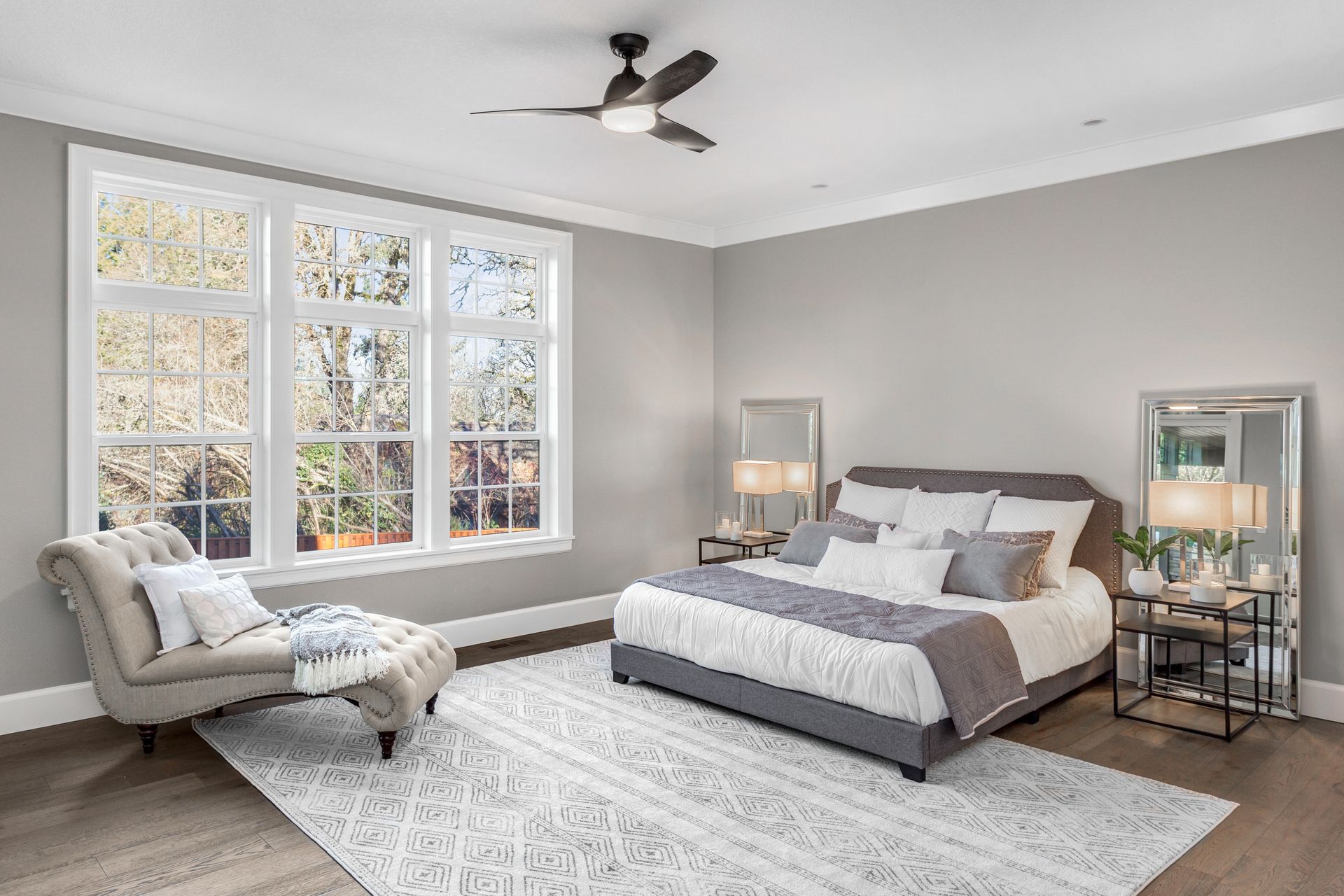
After framing, your addition feels like part of the original home because Elevated Carpentry aligns ceiling heights, door casings, and flooring transitions to avoid abrupt changes. Walls are insulated to current energy codes, which often exceed the R-values in older homes, so the new space may feel more comfortable and cost less to heat and cool. Windows are placed to match existing sight lines and trim profiles, and exterior doors are installed with thresholds that shed water away from the foundation.
In-law suites include separate entrances when site layout allows, kitchenettes with ventilation hoods, and accessible bathrooms with curbless showers and blocking for future grab bars. Second-story additions require engineering to verify that existing walls and foundations can support the added load, and stairs are built to code with consistent riser heights and handrails anchored to studs. Garage additions are sited to meet driveway grades and overhead door clearances, and attic trusses are used when future storage or living space is anticipated.
Common Questions About Home Additions
Homeowners in Loveland often ask about foundation requirements, how additions affect resale value, and what permits are required. These answers clarify the structural and regulatory factors that shape addition projects.
What foundation type works best for home additions in Loveland?
Frost-protected footings poured below the frost line prevent heaving, and stem walls are tied to existing foundations with rebar or dowels to ensure the addition and original structure move together.
How do you match new siding to an existing home?
Siding profile, color, and texture are matched as closely as possible, and if exact matches are not available, the addition is sided on all visible faces to create a unified appearance rather than blending mismatched sections.
Why does a second-story addition require structural engineering?
Existing walls and foundations were designed for single-story loads, so adding a second floor increases live and dead loads beyond original capacity, requiring calculations to verify or strengthen bearing elements.
When do setback rules prevent a home addition in Loveland?
Zoning codes specify minimum distances from property lines, and if your home already sits close to these limits, you may need a variance or must build vertically instead of outward.
What permits does a home addition require?
Building permits cover structural, electrical, plumbing, and mechanical work, and inspections occur at multiple stages including foundation, framing, rough-ins, and final, so plan for several weeks of review and approval before and during construction.
Elevated Carpentry manages permitting, engineering, and construction from foundation to final inspection, so reach out to start planning your addition and schedule a site visit that reviews your property and layout goals.