
Bathrooms That Function Without Constant Compromise
Bathroom Remodeling in Loveland for leaking tub surrounds, cramped shower stalls, and outdated fixtures that waste water and space
Elevated Carpentry provides bathroom remodeling in Loveland that replaces worn fixtures, corrects moisture problems, and reconfigures layouts that force you to step around toilets to reach sinks. You gain walk-in showers with curbless entries, tub-to-shower conversions that free floor space, and tile work installed over waterproof membranes that prevent mold growth behind walls. If your current bathroom has grout that stays damp, a vanity with drawers that swell shut, or a shower pan that pools water in one corner, this service addresses the underlying causes before installing finishes you will use every morning.
The work begins with demolition that exposes framing, plumbing, and subfloor condition. Rot around tub flanges or under toilets is cut out and replaced with treated lumber. Waterproofing membranes are applied to walls and floors before tile goes down, and drains are sloped to prevent standing water. Vanity installation includes securing cabinets to studs and leveling countertops so faucets drain properly. Lighting upgrades place fixtures near mirrors to eliminate shadows, and ventilation fans are ducted to the exterior rather than vented into attic spaces where moisture condenses on insulation.
If your bathroom no longer meets your household's needs or shows signs of hidden moisture damage, contact Elevated Carpentry to schedule an assessment in Loveland and review fixtures, layouts, and materials that suit your space.
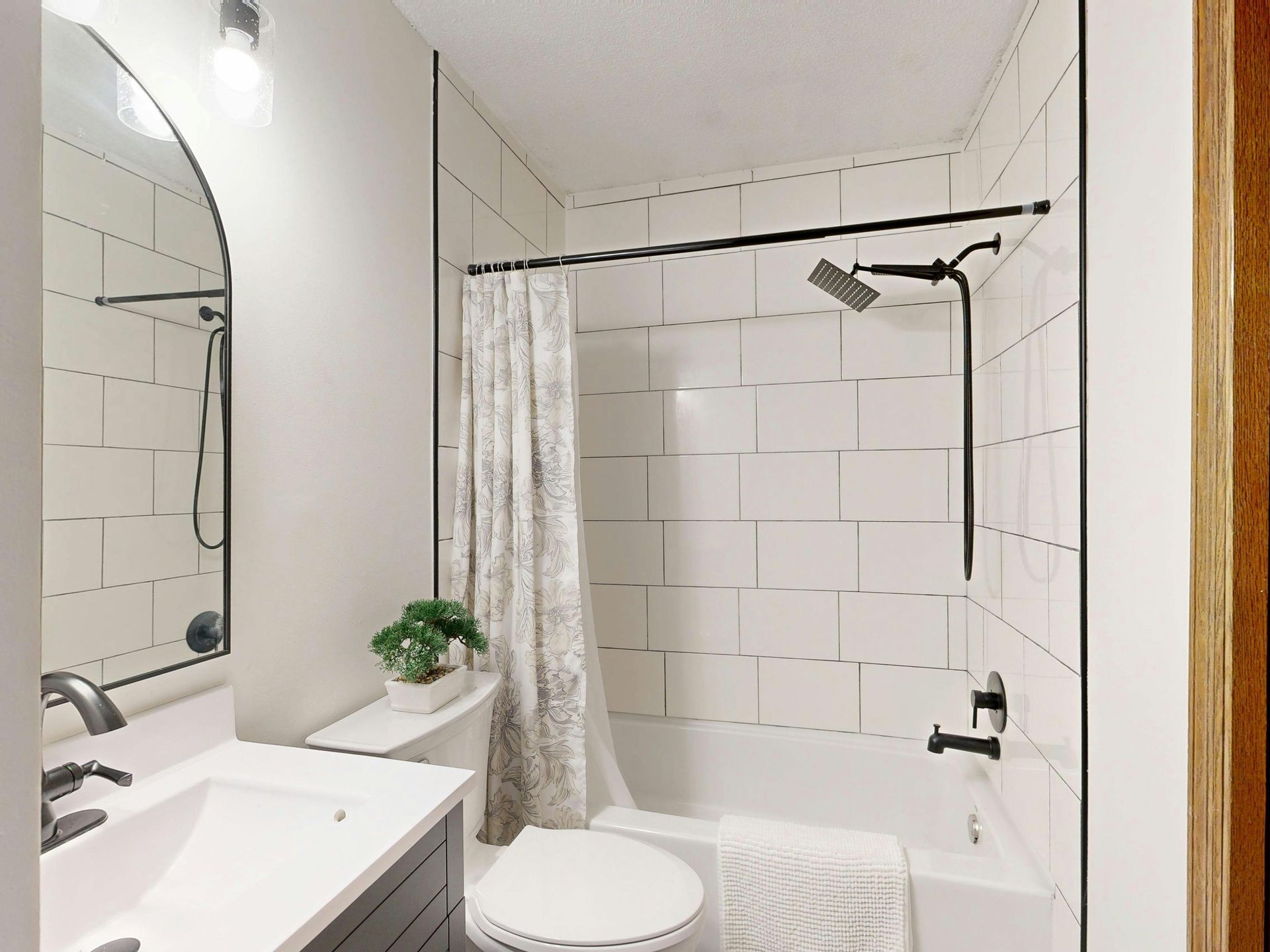
Tile Work and Waterproofing That Prevent Future Moisture Issues
You see tile set on a substrate that has been waterproofed with liquid membrane or sheet material that extends six inches beyond the shower curb. Corner joints are reinforced with fabric tape embedded in the membrane, and drain flanges are clamped to the waterproofing layer before tile installation begins. Tile layout is planned so that cuts fall in corners or along the bottom course rather than at eye level, and grout joints are kept consistent in width to avoid the uneven appearance that comes from hand-spacing without tile spacers.
After grouting, you notice that water sheets down walls without pooling in soap niches or along curbs. Elevated Carpentry seals grout lines in showers and around tubs, and caulk joints are placed wherever tile meets a different material like a tub flange or corner bead. Walk-in showers are sloped at a quarter inch per foot so water reaches the drain without ponding, and glass enclosures are installed with anchors that hit solid blocking rather than hollow drywall.
Accessibility upgrades include grab bars anchored into blocking installed during framing, curbless entries that allow walker or wheelchair access, and bench seats built into shower walls with waterproofing carried over the top and sides. Plumbing improvements route shut-off valves to accessible locations and replace galvanized supply lines that restrict flow. Vanity upgrades include drawers on soft-close glides and countertops sized to your available wall length without overhanging into doorways.
Common Questions About Bathroom Remodeling
Homeowners in Loveland often ask about waterproofing methods, fixture compatibility, and how much floor space different layouts require. These answers clarify the practical considerations that shape bathroom projects.
What waterproofing method prevents mold behind shower tile?
Liquid or sheet waterproofing membranes applied to backer board create a continuous barrier that stops water from reaching framing, and seams are overlapped and sealed to eliminate gaps where moisture could penetrate.
How much space does a walk-in shower need to feel comfortable?
A minimum of 36 by 36 inches provides enough room to move and rinse without hitting walls, but 48 by 36 inches allows more flexibility for bench seating or dual showerheads.
Why do tub-to-shower conversions open up a bathroom layout?
Removing a tub that occupies 30 inches of width and 60 inches of length frees floor area for a larger vanity, linen storage, or a more spacious shower with a built-in bench.
When should you replace bathroom ventilation fans?
Fans that are loud, slow to clear steam, or vented into attic spaces rather than outside should be replaced with units rated for your bathroom's square footage and ducted directly through the roof or sidewall.
What permits are required for bathroom remodeling in Loveland?
Plumbing and electrical work require permits, and any changes to framing or ventilation need inspection before walls are closed, so scheduling should account for review and approval timelines.
Elevated Carpentry reviews your bathroom layout, fixture preferences, and moisture concerns during an initial consultation, so get in touch to discuss your project and set a timeline that fits your household schedule.